

4-step framework to prioritize what matters without wasting your time
Last month, I needed to buy a new laptop.
My old one was dying. I had a keynote in two weeks.
I needed to make a decision.
Two years ago, I would’ve spent an entire weekend down a Reddit rabbit hole about processor speeds and retina displays.
Instead, I texted my friend who’s a tech guy: “What laptop should I buy for presentations and writing? Budget is $2K.”
He sent me a link. I bought it. Done in 15 minutes.
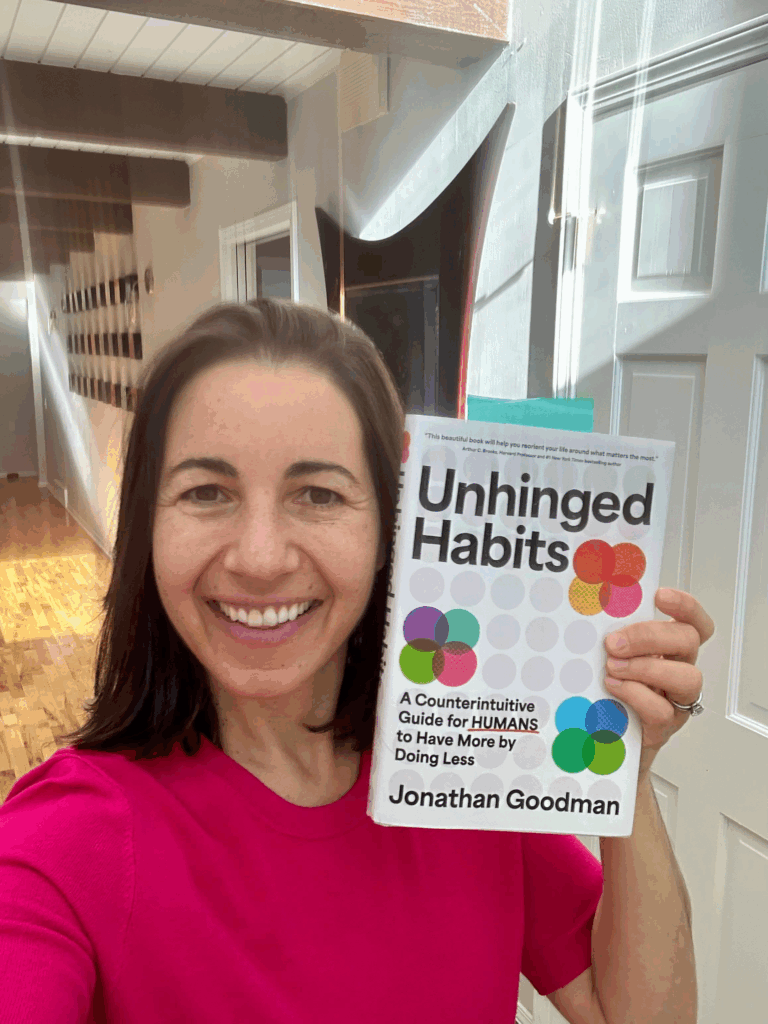
My friend Jonathan Goodman calls this being “strategically ignorant” in his book Unhinged Habits.
It’s one of the most liberating concepts I’ve read in years.
The Problem
We trick ourselves into thinking we need to be experts at everything.
Buying a bike? Better spend 20 hours researching brake pads.
Choosing a restaurant for a client dinner? Better read 47 reviews first.
You’re not going to become an expert in 20 hours of Googling. You’re just going to waste 20 hours pretending you know more than you do.
Meanwhile, the most precious resources you have — your time and mental energy — are gone.
The Big Small Thing
In his new book, Jon has a four-step framework for making “good enough” decisions fast:
Step 1: Admit your ignorance.
Stop pretending you can make an educated decision about things you know nothing about.
Step 2: Find a domain-specific expert.
Someone who’s obsessed with the thing you couldn’t care less about. For me, that’s my tech friend.
Step 3: Ask the right question(s).
Be specific about your needs and constraints. Not “What’s the best laptop?” but “What laptop should I buy for presentations and writing with a $2K budget?”
Step 4: Default to their opinion.
Trust the expert. Don’t second-guess them with your 10 minutes of Google research.
Here’s what I love about this: It’s RECKLESS.
(Reckless is one of the nine traits I write about in Wild Courage. These are traits you’re told to suppress but actually get you what you want.)
Being reckless means taking action fast, accepting the consequences, and moving on.
Most people would call this irresponsible. “What if you buy something that sucks?”
Jon’s response? Sometimes you will. And that’s fine — because it’s still better than spending 19 hours researching to *possibly* avoid that outcome.
Want more career tips? Check out my weekly newsletter!
How This Helps You Get What You Want
The happiest, most successful people I know are decisive.
They make decisions, don’t look back, and live with the consequences.
There will only be a few things you truly care about. Spend your time on those.
For everything else? Stop pretending you’re going to become an expert.
Your time is worth it.
OTHER POPULAR ARTICLES
For more actionable tips to thrive professionally and personally, sign up for Jenny's newsletter.


Embrace the 9 traits of wild courage. Achieve your biggest ambitions.
order now
Weird
Selfish
Shameless
Obsessed
Nosy
Manipulative
Reckless
Brutal
Bossy
Weird
Selfish
Shameless
Obsessed
Nosy
Manipulative
Reckless
Brutal
Bossy

A rebellion against conventional
career wisdom, from
a former Google executive who spent 18 years climbing
the ranks
order now
